Outlet Repair in Port St. Lucie, FL
An outlet that stopped working, sparks when you plug something in, feels warm, or smells burnt is telling you something is wrong inside the box. We diagnose faulty outlets, find out whether the problem is the device or the wiring behind it, and repair it so it is safe to use again.
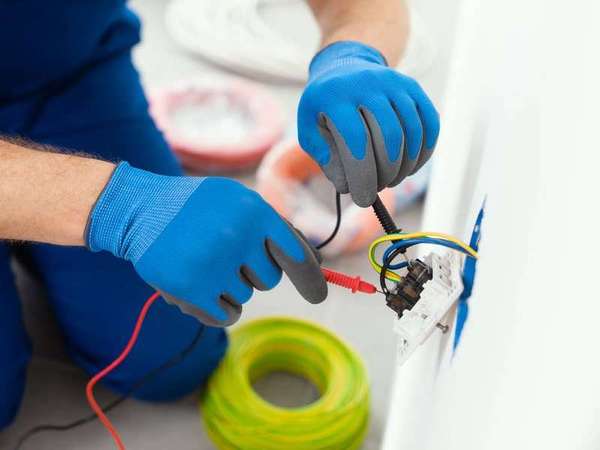
Warning Signs Your Outlet Needs Repair
Outlets fail in predictable ways. Each symptom points to a different underlying problem — and some are more urgent than others.
Dead outlet Schedule soon
No power at all. Often a tripped GFCI upstream, a failed outlet, or a broken connection. Annoying, but usually not an emergency — unless it is your refrigerator or medical equipment circuit.
Sparking when plugging in Call now
An occasional tiny spark can happen with some plugs, but visible sparking, popping sounds, or scorch marks mean arcing inside the box. Stop using the outlet and call.
Warm or hot faceplate Call now
Heat means resistance at a loose or corroded connection. Resistance creates more heat the longer current flows — this is how electrical fires start behind walls.
Burnt or fishy smell Call now
Overheating plastic and wire insulation give off a distinctive acrid or fishy odor. If you smell it near an outlet, de-energize the circuit and call immediately.
Loose plugs fall out Schedule soon
Worn contact tension means poor grip and intermittent arcing every time the plug shifts. The outlet has reached the end of its service life and should be replaced.
Works only sometimes Schedule soon
Intermittent power usually means a loose wire — either at the outlet's terminals or at a connection upstream. It will not fix itself, and loose connections get worse with heat cycling.
Diagnosis: Is It the Outlet or the Wiring?
Replacing the outlet fixes the problem only if the outlet is the problem. A proper diagnosis checks the whole chain first.
| What we check | What it tells us |
|---|---|
| The outlet device itself | Worn contacts, cracked body, heat damage, loose terminal screws |
| Wire terminations | Back-stabbed connections (a common failure point), loose screws, nicked conductors |
| Upstream GFCI/AFCI | A tripped protector elsewhere on the circuit cutting power downstream |
| The breaker | Tripped, failing, or mismatched breaker feeding the circuit |
| Voltage under load | Voltage drop revealing a high-resistance connection hidden in the wall |
Back-stabbed connections — wires pushed into the back of an outlet instead of wrapped around the terminal screws — are one of the most common causes of outlet failure we find in Treasure Coast homes. They loosen over time from heat cycling. When we repair an outlet, we terminate wires on the screws, the way they should have been done originally.
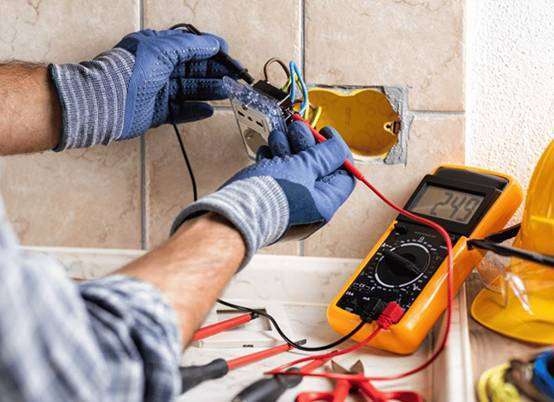
What an Outlet Repair Visit Looks Like
-
1. Make it safe
We verify the circuit is de-energized at the breaker and confirm with a tester before touching anything — no assumptions.
-
2. Open and inspect
The outlet is pulled from the box and every wire, terminal, and connection is inspected for heat damage, corrosion, looseness, and improper wiring methods.
-
3. Repair or replace the device
A damaged or worn outlet is replaced with a new device matched to the circuit — including GFCI replacement where ground-fault protection is required. Sound devices with bad terminations are re-terminated properly.
-
4. Check the box and wiring
We confirm the box is intact, wire insulation is sound, and grounding is correct. If the wiring itself is damaged, we tell you before proceeding — that is a bigger repair, and you deserve to know.
-
5. Re-energize and test
Power is restored and the outlet is tested under load: correct voltage, solid plug retention, working GFCI trip where applicable.
Please don't DIY a suspect outlet
- A sparking or warm outlet can have damaged wire insulation you cannot see until the box is opened safely.
- Turning off "the breaker" is not enough if the outlet is miswired or fed from an unexpected circuit — we verify with a tester every time.
- Aluminum wiring, found in some 1970s-era Florida homes, needs special devices and methods — a standard replacement outlet is not safe on aluminum branch wiring.
When in doubt, call (561) 552-3753. A service visit costs far less than a fire.
Outlet Repair FAQs
Is a sparking outlet an emergency?
Visible sparking with popping sounds or scorch marks should be treated as urgent — stop using the outlet, switch off its breaker, and call us at (561) 552-3753. A single tiny spark when plugging in certain devices can be normal, but repeated or large sparks are not.
Why is my outlet warm to the touch?
Heat comes from resistance at a loose or corroded connection — the connection is effectively acting like a tiny heater inside your wall. It gets worse over time, not better. Stop using the outlet and have it repaired promptly.
My outlet works sometimes. What's wrong?
Intermittent power almost always means a loose connection — at the outlet's terminals, at a wire nut upstream, or at the breaker. Heat cycling makes loose connections looser, so "sometimes" eventually becomes "never," sometimes with damage along the way. It needs attention before it fails completely.
There's a burnt smell but the outlet looks fine. Should I worry?
Yes. The damage is often inside the box or in the wiring behind it, where you cannot see it. A burnt or fishy smell near any electrical device means something is overheating. De-energize the circuit if you can identify the breaker, and call us.
Can a bad outlet trip a breaker?
Yes — a shorted or arcing outlet can trip a standard breaker, and arc faults will trip AFCI breakers. If a breaker trips every time you use a particular outlet, that outlet is the prime suspect and should be inspected before the breaker is reset again.
How do you test whether an outlet is safe?
We check for correct wiring (hot, neutral, ground in the right places), proper voltage, solid plug retention, grounding continuity, and GFCI trip function where applicable. For intermittent issues we also test under load, which reveals high-resistance connections a simple plug-in tester can miss.
Should I replace all the old outlets in my house?
Not necessarily all of them — but outlets do wear out, and homes with original 30-to-50-year-old devices, back-stabbed connections, or no GFCI protection in wet areas benefit from targeted replacement. During a repair visit we can assess the overall condition and give you an honest recommendation.
I want a brand-new outlet where there isn't one. Is that this service?
Adding a new outlet where none existed is an installation job, not a repair. Call (561) 552-3753 and tell us where you want the new outlet — we handle new outlet installations as well.
Service Areas
Outlet repair throughout the Treasure Coast:
- Port St. Lucie
- Fort Pierce
- Stuart
- Jensen Beach
- Palm City
From Your Call to a Tested, Working Outlet
1. Describe the symptoms when you call
Tell us what the outlet is doing — completely dead, intermittent, loose plugs, warm to the touch, or sparking. If you see sparks or smell burning, stop using the outlet and tell us that first; those symptoms get treated as urgent, and we'll explain how to stay safe until we arrive.
2. Diagnosis at the outlet and beyond
We test the receptacle, check the breaker, and trace the circuit to find where the fault actually is. Sometimes it's the outlet itself; sometimes it's a connection upstream or an overloaded circuit — you get the real cause, not a guess and a swap.
3. Repair or replacement, done to code
Damaged receptacles are replaced, loose or heat-damaged connections are repaired, and GFCI protection is installed where the location requires it — kitchens, bathrooms, garages, and outdoor outlets. We use the correct device for the location rather than whatever fits the hole.
4. Tested before we leave
Every repaired outlet is checked for correct voltage and polarity, GFCI outlets are trip-tested, and the circuit is confirmed under a real load. You'll know the outlet works properly because we demonstrate it, not just tell you.
Learn More
Our outlet repair pageon the main site goes deeper on GFCI protection and when a receptacle should be replaced.
Request an Estimate
Describe the outlet problem — what it is doing, and where. For sparking, smoking, or burnt-smell outlets, call (561) 552-3753 now instead of waiting.
Company Information
- Service providerFlorida Electrical and Fire Alarm LLC
- Phone(561) 552-3753
- Emailservices.floridaelectrical@gmail.com
- LicenseFlorida Electrical License #ER13016161
- HoursMonday–Saturday 8 a.m.–5 p.m.; 24/7 emergency service
- Service areasPort St. Lucie, Fort Pierce, Stuart, Jensen Beach, Palm City (service-area business — no storefront)